
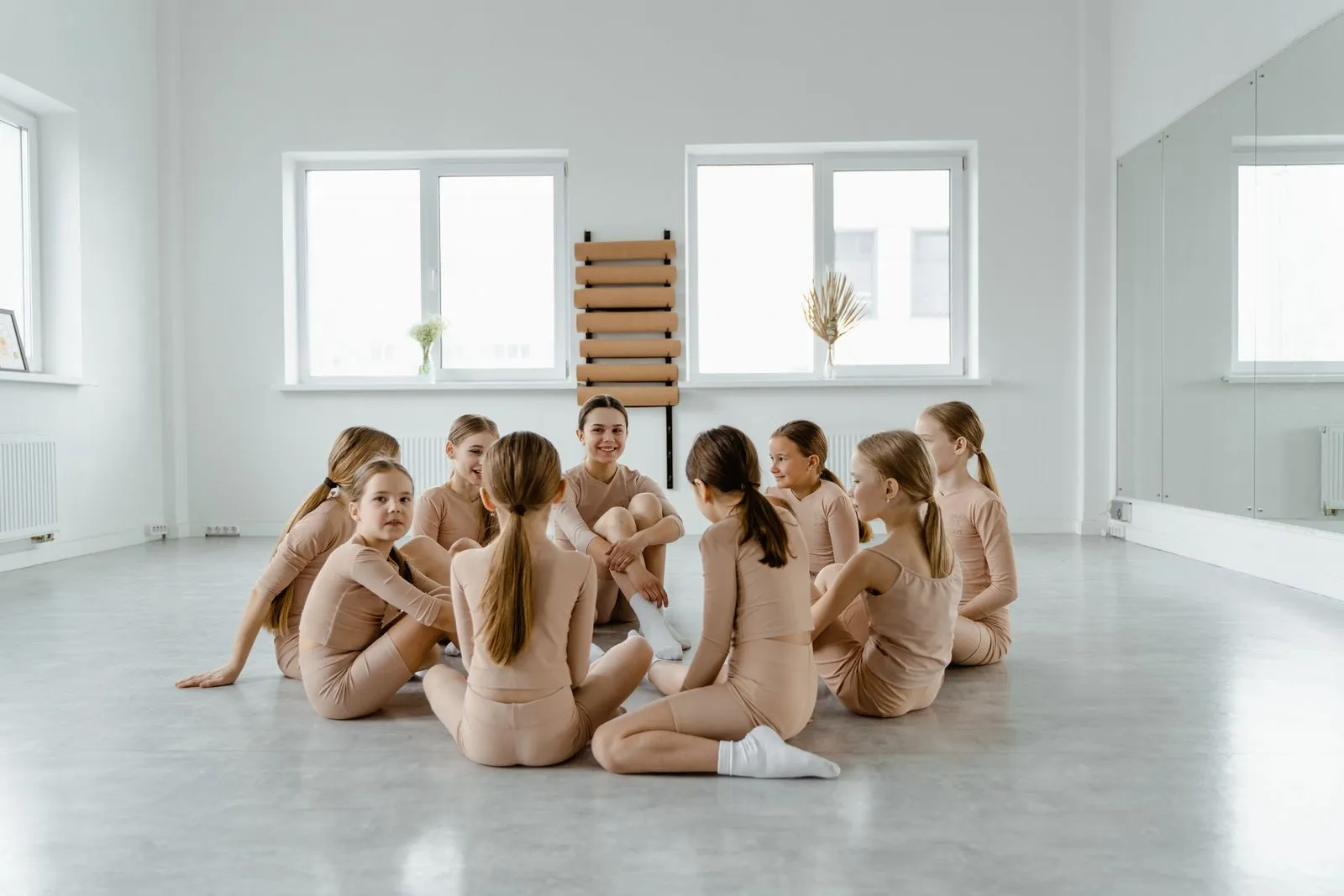
Your first dance class should match more than a style you like watching. The right fit also depends on how you learn, what feels comfortable, and when you can realistically attend. A little research can help you avoid signing up for a class that moves too fast or clashes with your routine. Use these practical checks to compare options, ask useful questions, and choose a welcoming place to take your first steps.
Start With Styles You Enjoy
Think about the music and movement that make you want to get up and dance. Ballet builds control and posture; hip-hop often uses energetic, rhythm-driven movement; jazz blends technique with expressive steps; and ballroom focuses on partner connection and patterns. Styles vary by school, so look at class descriptions and videos when available rather than relying on the name alone.
You do not need to settle on one style forever. Try a beginner class or introductory session before committing to a longer course. If you are choosing between styles, ask what students typically do in class and whether you need a partner, special shoes, or prior experience. A style that sounds exciting and fits your practical needs is a strong place to begin.
Check the Level and Format
Look for labels such as beginner, fundamentals, or no experience required. A true introductory class should explain basic steps and give students time to practice. If the description says open level, ask whether the instructor adapts combinations for newcomers. Be honest about your experience, including lessons taken years ago; it helps the school point you toward a class that feels challenging without being overwhelming.
Class format matters, too. Group lessons let you learn alongside others, while private instruction offers more individual feedback. Some classes focus on technique; others spend more time learning a routine or social dancing. Ask how much of the session involves instruction, practice, and movement across the floor. If you feel nervous, find out whether students can watch first or join a trial class.
Choose a Schedule You Can Keep
Compare class times with your real weekly routine, not an ideal version of it. Consider travel time, work or school commitments, and how much energy you have at the end of the day. A convenient class you can attend consistently is usually a better starting point than a perfect-sounding option that is difficult to reach.
Check whether the class meets once or multiple times a week, and ask what happens if you miss a session. Some courses build one lesson on the next, while drop-in classes may welcome students at any session. Confirm the length of each class, registration requirements, and whether you need to arrive early to change shoes or complete forms. These details make the first visit less stressful.
Make the First Visit Comfortable
Before enrolling, ask what to wear and bring. Many beginner classes accept comfortable clothes that allow movement, but footwear depends on the style and studio floor. Avoid buying specialized shoes until the school confirms what you need. Also ask about changing areas, water, parking or transit access, and whether the instructor expects students to arrive before class starts.
Pay attention to how the school communicates. Clear answers about levels, class expectations, and what to bring can help you feel prepared. When you visit, notice whether the instructor explains demonstrations, offers modifications, and makes room for questions. You do not need to feel confident before you begin; you need a setting where it is okay to learn at your own pace.
Choose a style that interests you, a level that welcomes beginners, and a time you can stick with. Then check the class format and practical details before you sign up. Your first class is a chance to explore, not a test. If you are looking in Chicago, Step Chicago can help you compare beginner options and find a comfortable starting point.